
TOP 5 3D PRINTED CARS
3D Printed Cars That You Can Actually Drive THE STRATI: One of The 3D Printed Cars in this article is Strati, built and also printed in Detroit. This electric vehicle was the first step in mass producing 3D printed cars. Strati changed the way the world thought about 3D-printed vehicles. In 2011, pr
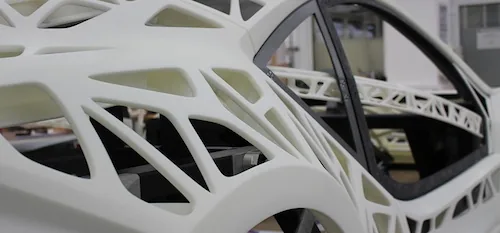
3D Printed Cars That You Can Actually Drive
** THE STRATI:**
One of The 3D Printed Cars in this article is Strati, built and also printed in Detroit. This electric vehicle was the first step in mass producing 3D printed cars.
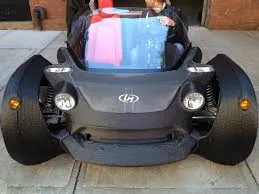 Strati 3D Printed Car
Strati changed the way the world thought about 3D-printed vehicles. In 2011, printed cars were created, such as the Urbee, but they weren’t as mechanically involved as the Strati. In the past, car panels and features were printed, then placed on a traditionally-built structure. This meant that important components, such as the battery or motor, were not created using the 3D-printer. The Strati used direct digital manufacturing for the majority of the components.
Building a 3D printed car is not easy. To print a Strati, Local Motors had to first create the body using a Big Area Additive Manufacturing (BAM) machine. After the body was printed, subtractive manufacturing using a computer numerical control routing machine, or CNC, was used.
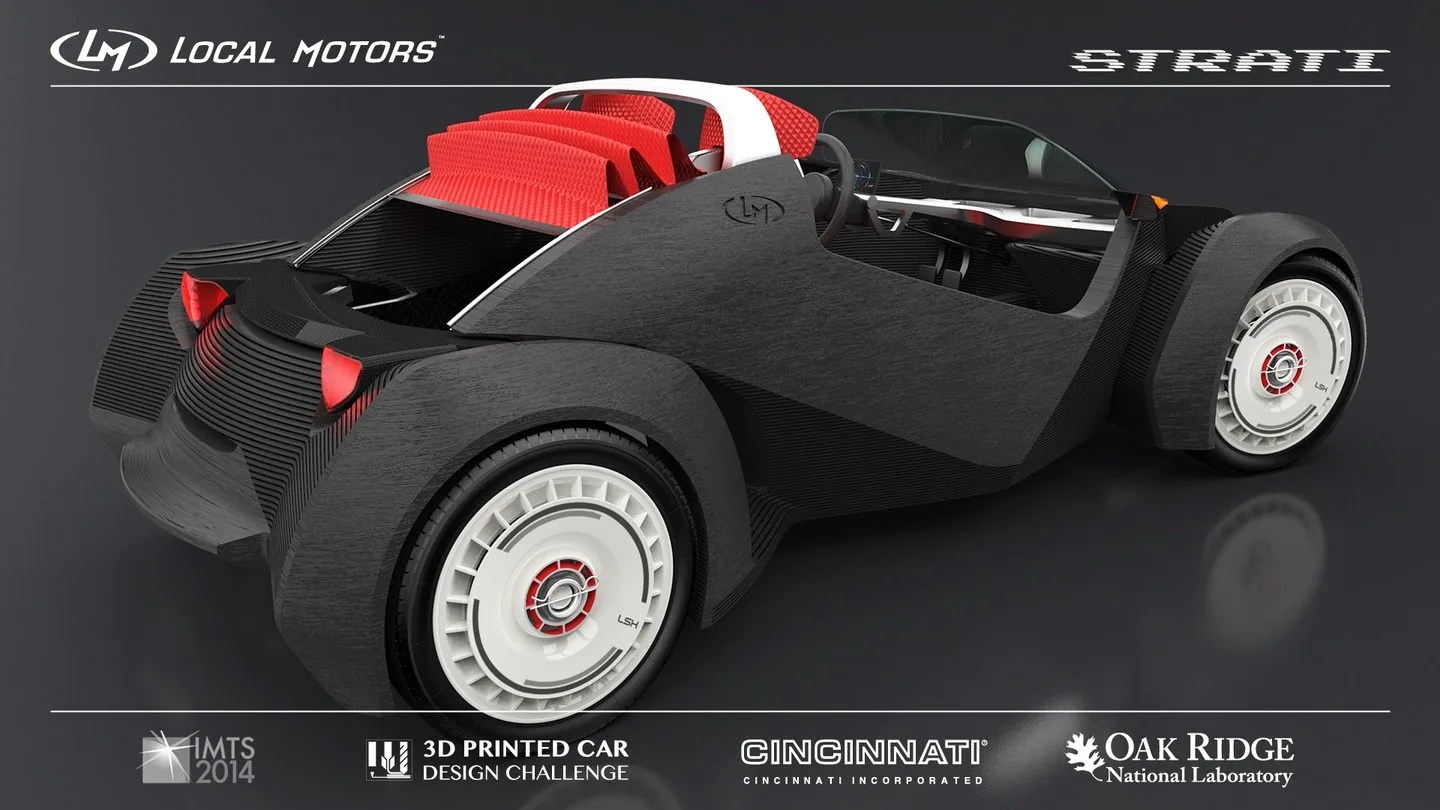
Made from Carbon fiber reinforced ABS plastic; the Strati car has approximately 227 layers.
1,100 pounds of the total 1,800 pounds of Strati’s weight were 3D printed.
Printing process achieved a 44 hours record since 2014 and is aimed to be improved.
Components not printed: motor, battery, power train, tires, wheels etc.
Top Speed reaches about 40 mph.
Source: Local Motors.
SHELBY COBRA:
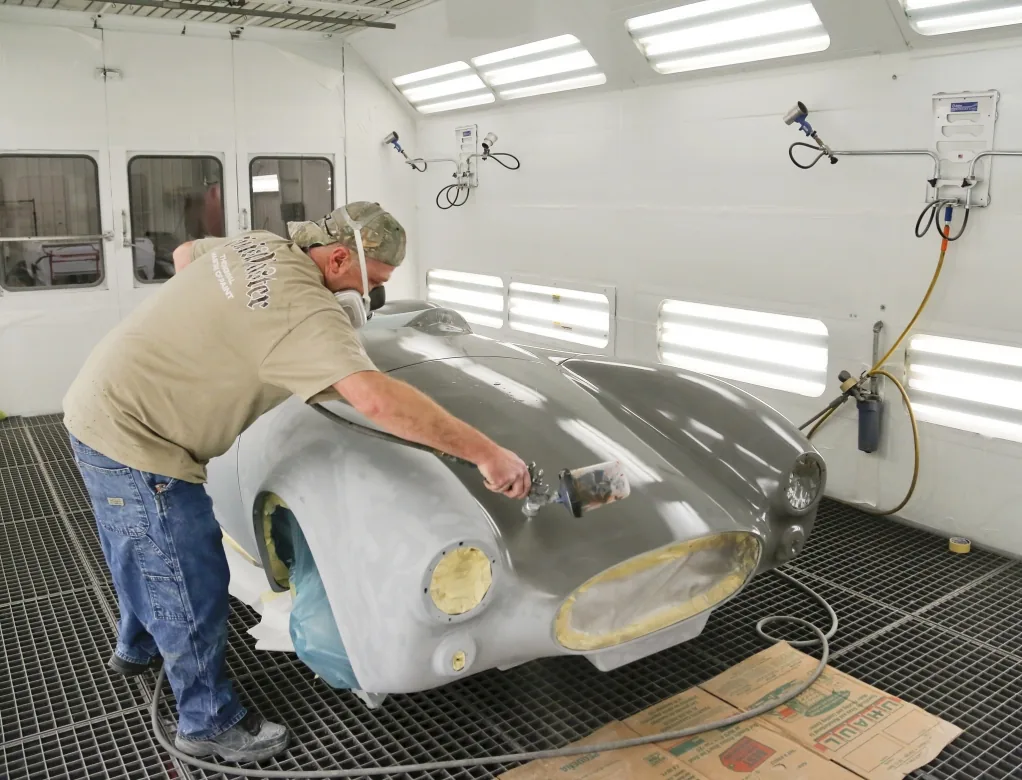
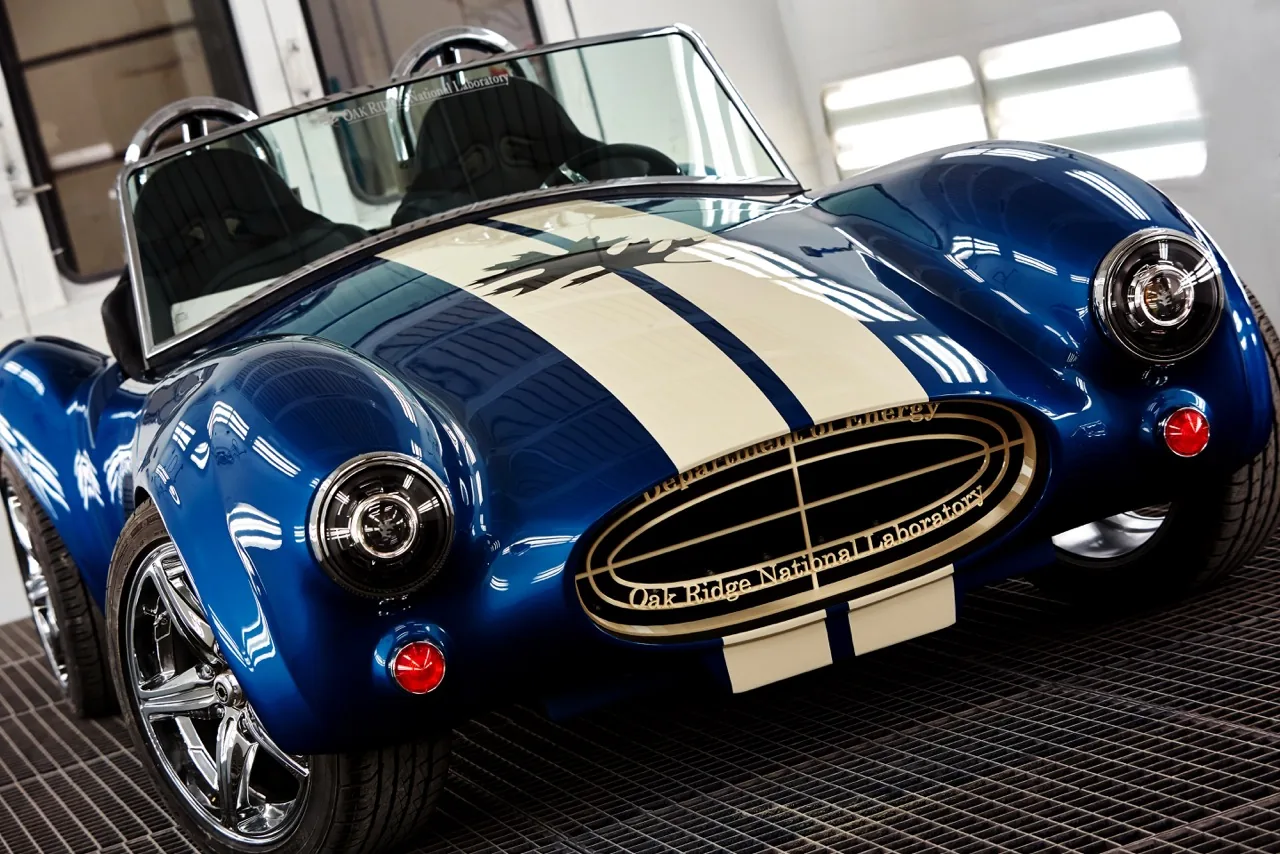 The Shelby 427 Cobra is a very special custom car. This 3D printed car was built by the US Department of Energy’s Manufacturing Demonstration almost 50 years after the reveal of the classic 427 Cobra (January 1965). They used the Big Area Additive Manufacturing (BAAM) machine from Cincinnati Incorporated. This machine can be 3D print huge, strong, lightweight composite parts without the need for tooling. It does this at speeds that are from 500 to 1000 times faster than a desktop 3D printer.
The 50-year-old iconic Shelby Cobra was also fitted with modern technology, an new engine, battery, and fuel cell technologies; hybrid system designs; and power electronics and wireless charging systems. Also the 3D printed car parts contained roughly 20% carbon fiber. Next pic of the high-quality printing finishing process talk for itself:
THE LIGHT COCOON:
EDAG Light Cocoon is not just a concept study of a compact, dynamic sports car, but also an unprecedented projection of the ultimate in future lightweight construction. This 3D Printed Cars articles jewel if you ask me.
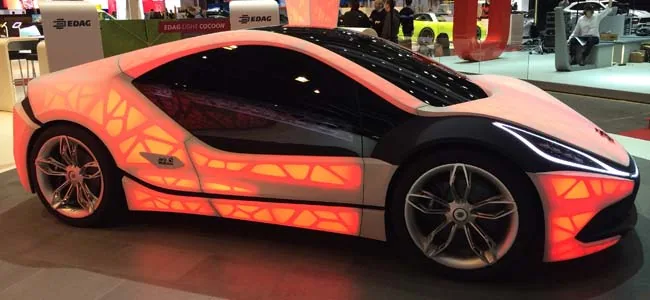
The 3D printed car is a complete, bionically optimized vehicle structure combined with a weatherproof textile outer skin panel, which marks an new dimension for lightweight construction and automobile aesthetics, backlight technology illuminates the skeleton like organic structure. The result is a significantly lighter car concept that also looks amazing.
GENESIS:
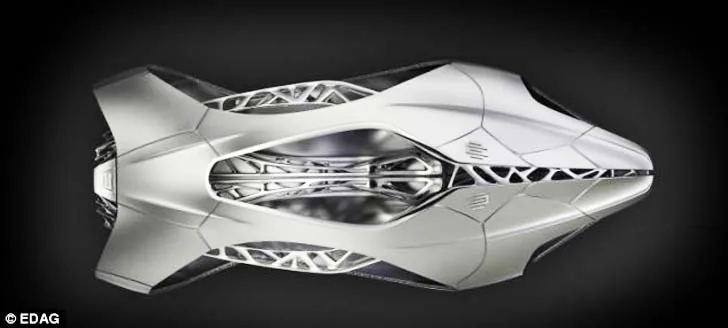
The EDAG GENESIS is based on the bionic patterns of a turtle, which has a shell that provides protection and cushioning and is part of the animal’s skeleton. The shell is similar to a sandwich component, with fine, inlying bone structures that give the shell its strength and stability. Also the skeleton is more of a metaphor; in this case, it does not form part of a musculoskeletal system, but instead provides extra passenger safety.
EDAG believes that the traditional rules of design, with restrictions caused by production, will only play a very minor role in additive manufacturing, and the tried and tested construction methods of nature can also be applied in a genuine series production situation, which was inconceivable in the past. This makes this concept one of the most influential for the future use of 3D printing in automotive and for all 3D printing in general. Too bad it is still just a concept.
LM3D SWIM:
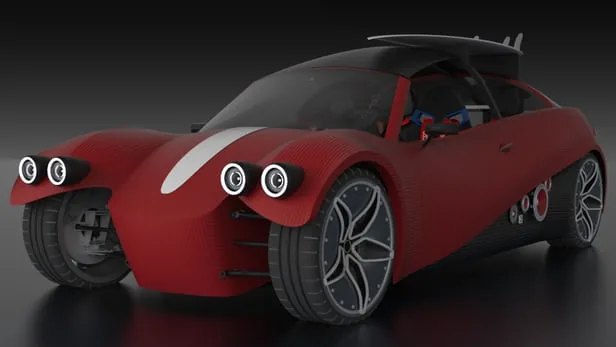 The LM3D Swim uses a unique manufacturing technique.
While the Arizona-based company is not a household name yet, it does have a history of working quickly to create innovative designs. The LM3D prototype has already been produced, but future models will have a slew of customizable features.
Because each vehicle is being 3D printed, buyers will be able to select from several different aesthetic features. Removable panels are a possibility, which would allow buyers to have much more control over the design they choose. Despite the advanced 3D capabilities, all vehicles would have the same powertrain and electronic engine.
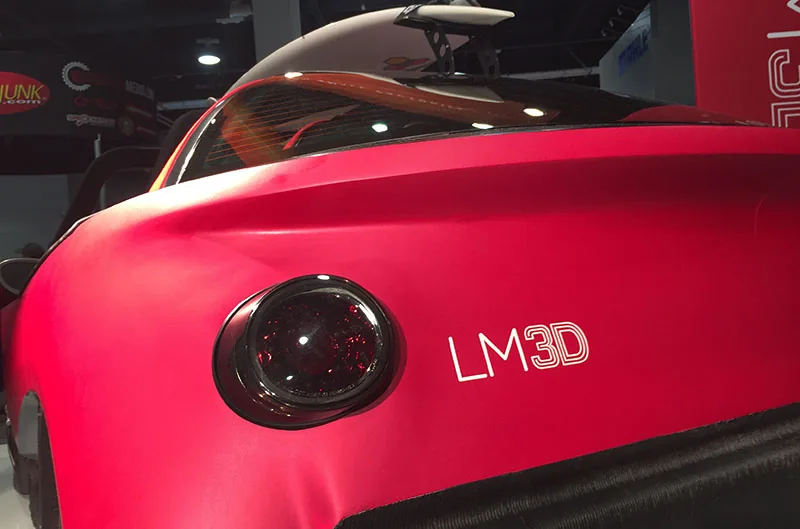
Not all of the components will be 3D printed in the comfort of your own home. Body panels and the chassis would likely need to be traditionally manufactured. Local Motors has been working on a way to have as many parts printed as possible. As much as 90 percent of the car will be printable using a composite ABS plastic and carbon fiber material.
Even upgrades would not likely be performed at home. Local Motors claims it plans on melting each car from time to time in order to provide key upgrades. By melting unwanted components, the company can easily recycle them, cutting down on costs and waste.